Optimising Tool Performance for Rapid Data Processing
Online search engine are the entrances to the wild and terrific world of websites. In between mega-giants that have turned their brand into a verb, to the little guys specialized in uncommon languages, online search engine can be found in all sizes and functions. If you're here, you're probably curious about what other alternatives there are, or perhaps you're looking to make a new engine your go-to guy.
There are three procedures an online search engine does to provide you results that best match your inquiry: Crawling is a procedure throughout which the search engine tries to find brand-new web pages (and their material) on the internet via links. Here's a simplified breakdown of how it works: The procedure begins with a list of preliminary URLs (seeds) to visit.
It identifies all hyperlinks on these pages. The crawler includes new links to its list of URLs to go to. It stores and indexes the brought content for online search engine to evaluate and obtain. This process continues iteratively, permitting online search engine to develop detailed indexes of web material. Indexing is a procedure of validating and keeping the content from the websites in the search engine's database, called the "Index".
Both crawling and indexing are continuous procedures that take place over and over again to keep the database fresh and pertinent. As soon as the web page is evaluated and conserved in the index, it can be pulled up as a search outcome for a prospective search question. The last action includes picking the very best outcomes and developing a list of pages that will appear on the search engine result page (SERP).
Value of Using Verified Backlink Lists
, many of which are kept secret from the public to prevent manipulation and to keep proprietary stability., mentioned: "We have over 200 signals to do so. With the fundamentals down, it's time to go deeper into how ranking and search algorithms work, since it's a lot more complex than searching through a library.
The Google algorithm utilizes dozens of aspects (numerous of them are well-known, while some of them are kept a trick) in numerous areas such as: First is understanding what the user indicates by utilizing the specific words they utilized, what the search intent is, and more. The algorithm identifies how carefully this page answers what was browsed.
Is the quality of the info itself. The algorithms choose if websites are an excellent source of details based on internal and external elements., security, and so on.
Top Tools for Downloading High-Authority SEO ListsBenefits of Implementing Curated Backlink Lists
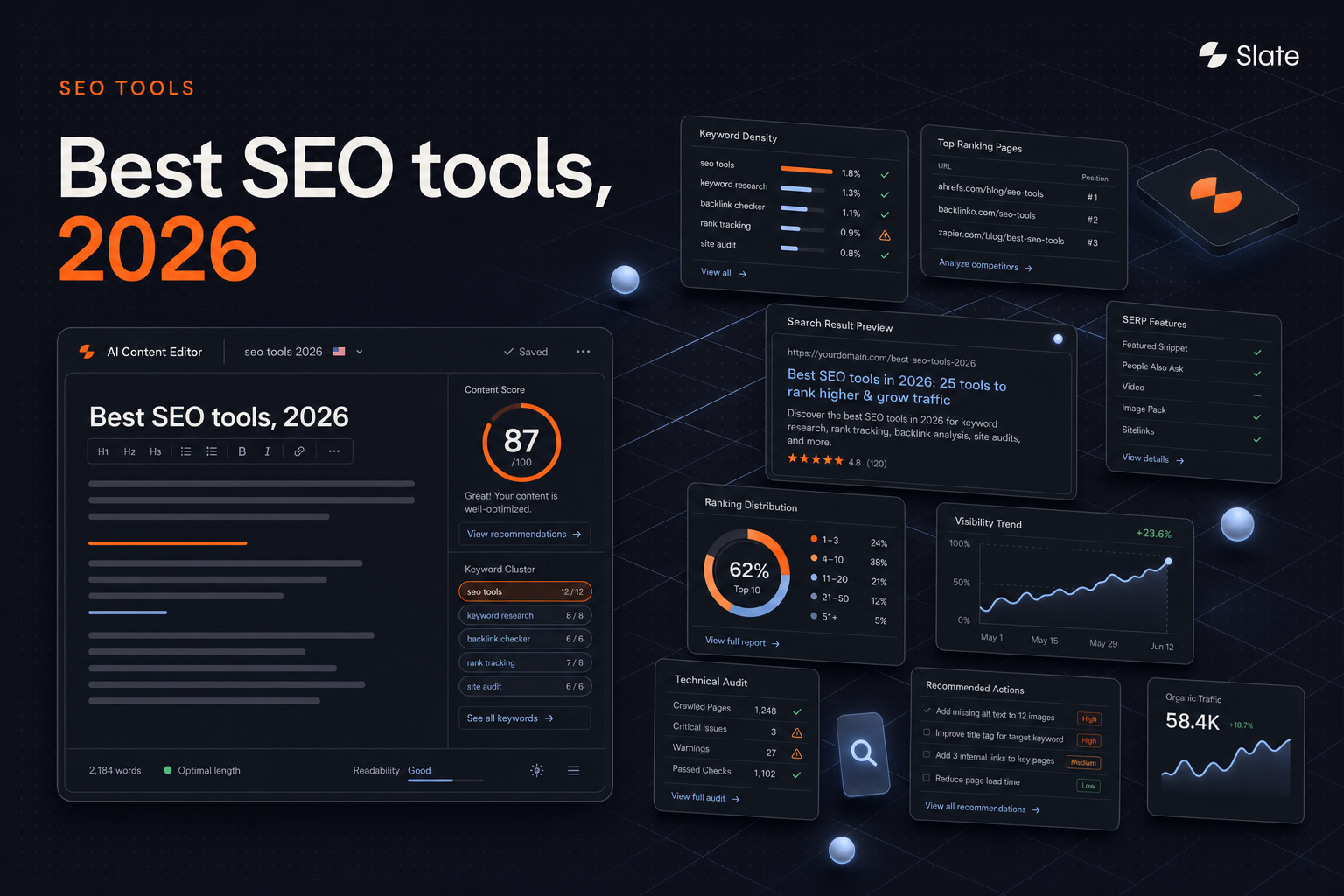
Optimizing your website for appropriate search queries and boosting the search presence of your brand within Google Browse is a vital part of any online marketing technique, as it can drive more traffic to your web pages. The sum of all the practices and techniques the site owners do to improve their search rankings is called Seo (SEO).
For keyword research, link-building and rank tracking for traditional and AI online search engine, you can use and start with your SEO activities right away. The main principles of SEO are beautiful simple: Perform a keyword research within your industry (to discover what search queries/keywords users actually enter into the search engines) Produce a premium content on your website to please the search intent behind the queries and enhance your pages for those keywords.
Track and determine the performance of your ranking pages in the online search engine (and change the SEO method if needed. To discover keywords for which you can optimize your website (and begin getting natural traffic from search engines such as Google or Bing), you can utilize Mangools KWFinder a basic yet extremely reliable keyword research tool which will assist you recognize keywords or perhaps long-tail search queries and concerns that individuals ask Google every day.
Standard search engines, Mangools also uses an unique LLM rank tracker which assists you monitor your brand and site presence in popular AI search engines such as ChatGPT, Gemini, Claude, Grok, and others. The tool is very simple to use: simply create your rank-tracking project, add a list of prompts that users may type into AI search engines (or choose from the recommended ones), and you're all set! AI Search Watcher will then track and assess your presence throughout AI online search engine and compare your brand name's performance with that of your competitors.